Storytime video
A storytime is one short first-person story with a setup, a turn and an ending. Write yours below and get a script to edit for free, then a narrated vertical video with a picture for each moment and captions. Under the tool: one we made with it.
1. What is the video about?
Sign in to write scripts and make videos. Sign in
Made with this tool
Read the script
So this is the story of how I met my neighbour at six in the morning, in my pyjamas, holding a tray of cinnamon rolls I had not baked yet.
I had put the rolls in the oven, stepped out to grab the newspaper, and the door clicked shut behind me. Keys inside. Phone inside. Oven on.
I knocked on the only door with a light on. A man in a dressing gown opened it, listened to all of it, and said, I used to be a locksmith. Give me two minutes.
He opened my door with a credit card. The rolls were perfect. Now every Sunday he gets four, and I keep a spare key under his plant.
What is a storytime video?
A first-person story told straight to the viewer: "So this is the story of how I met my neighbour at six in the morning." Creators tell them on camera, but faceless versions put a narrator over pictures or slides. It is an evergreen format, not a trend of one week. The example above is invented and labelled so; the same steps work for a true story of your own.
- Told as
- I, in one story
- Our example
- 35 s, 4 scenes, invented
- Voice
- Kokoro "nova"
- Cost here
- 40 credits a started minute
How the storytime above was made
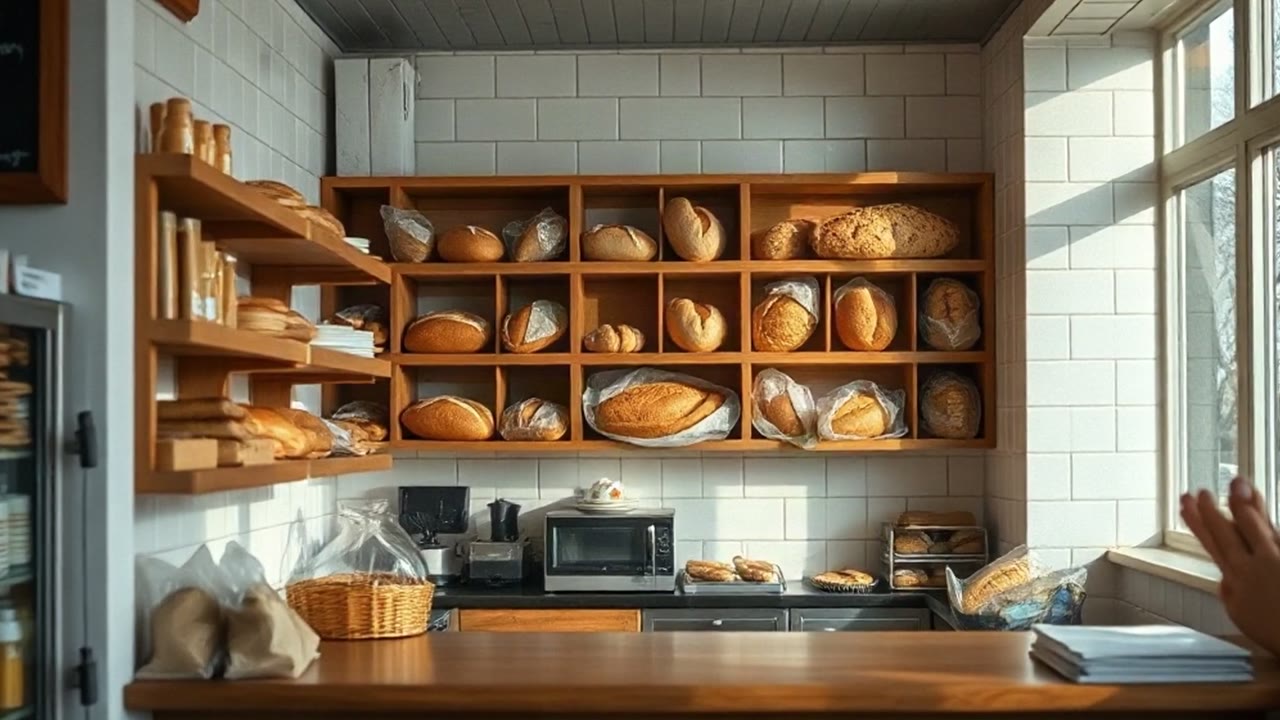
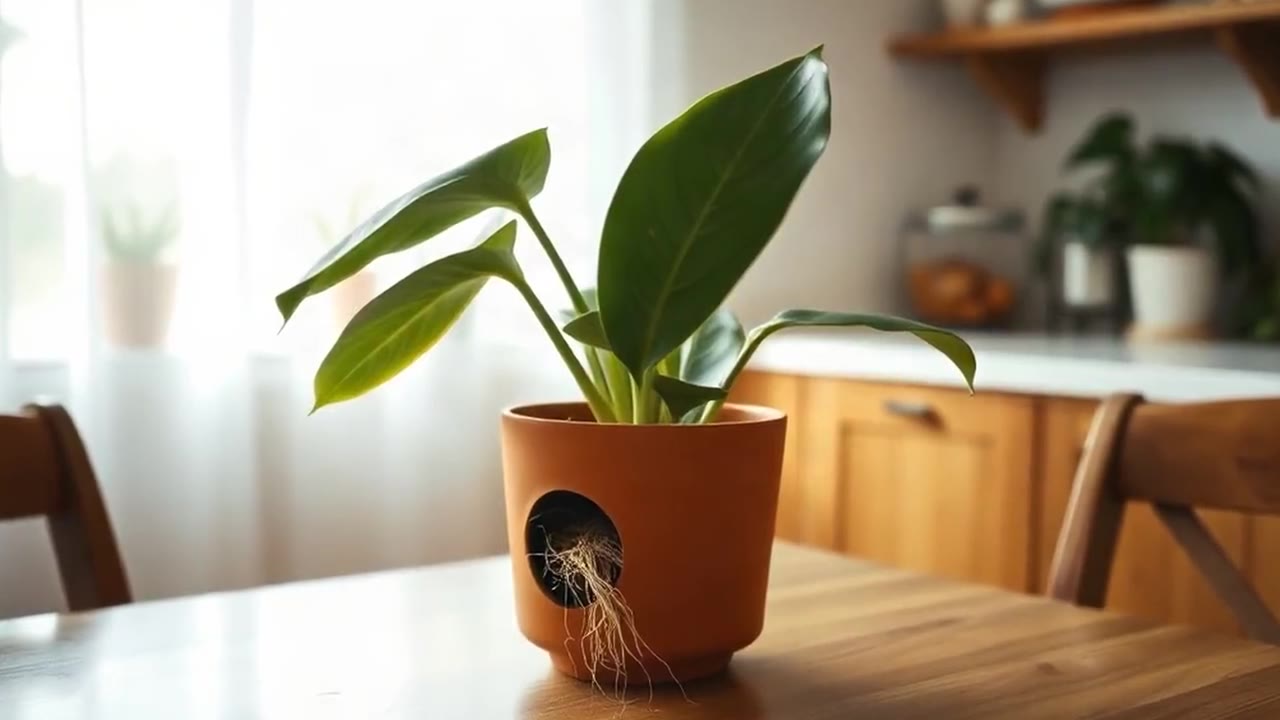
Rendered on 15 November 2026 by this page's renderer: a Kokoro voice ("nova"), one FLUX schnell picture per scene in the documentary photo style with a slow camera move, and burned-in captions. We wrote the four-scene story; nothing in it happened.
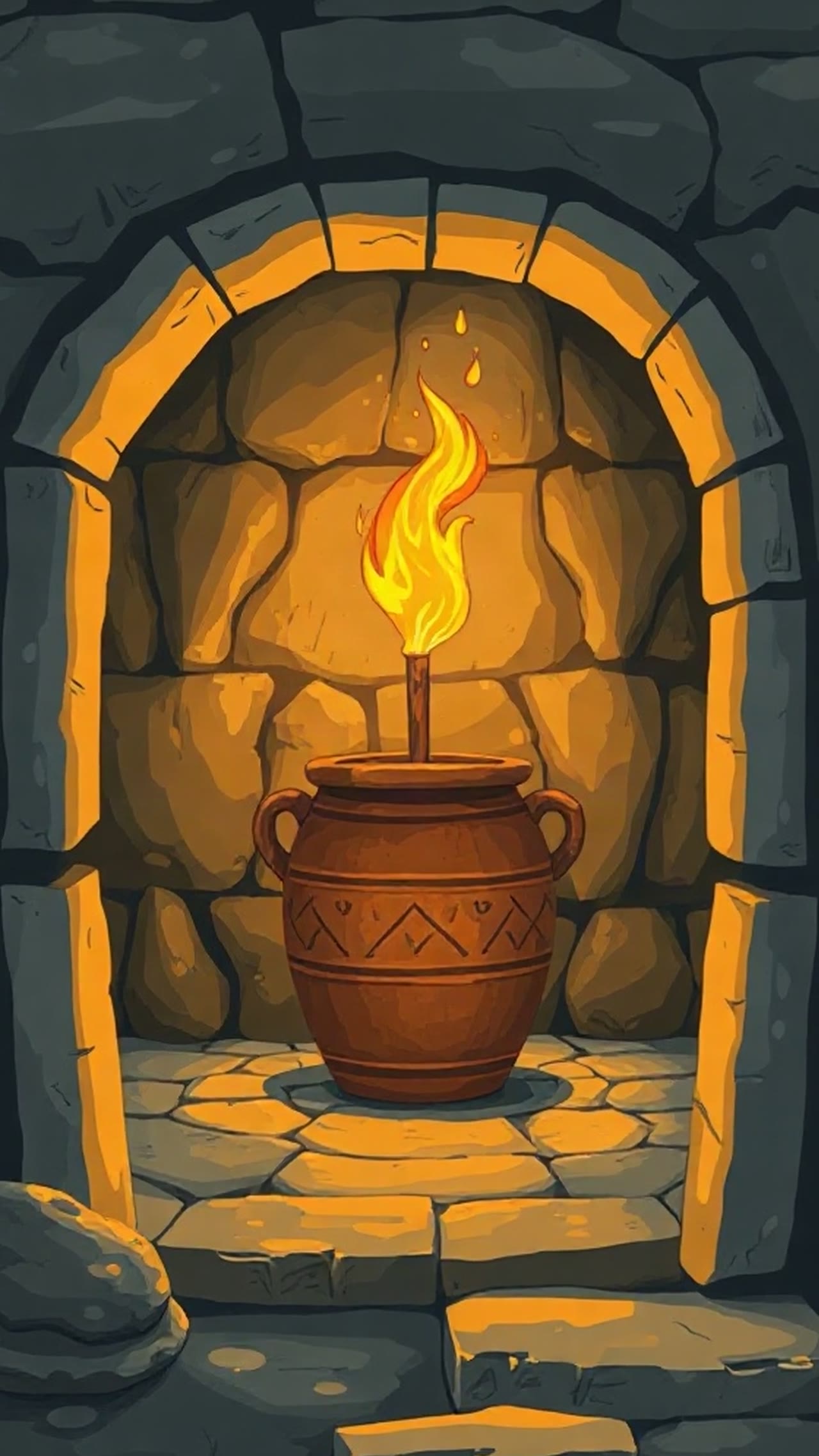
- What came out right: the hallway, the hand on a handle that will not turn, the neighbour in a dressing gown with a mug, the tray of cinnamon rolls.
- What did not: the newspaper under the arm in scene 2 is missing, and the spare key in the last scene does not appear.
- Small objects named in passing are the details most often left out. If one matters to the story, make it the subject of that scene's picture.
How to tell one
Start with the payoff as a promise
"This is the story of how I met my neighbour at 6 a.m., holding cinnamon rolls I had not baked yet." The first line says why to keep watching.
Setup, problem, turn, ending
Four scenes is enough: where you were, what went wrong, who or what changed it, how it ended. About 30 words a scene is 35 to 40 seconds.
One picture per moment
Describe each scene's picture as the moment the viewer should see, with the one object that matters in it.
Say if it is made up
Viewers take storytimes as true. If yours is invented or changed, say so in the caption.
Storytime video questions
Can I make a storytime on ClipScript?
Yes. Type the story or a few lines about it in the box at the top; the script is free with an account, and the narrated 9:16 video costs 40 credits a started minute.
Can I use my own voice?
Not in this tool: it reads the script with one of six built-in voices. If you want your voice, record it over the video in your editor.
Can it use my photos?
The pictures are generated from the scene descriptions. Uploading your own photos per scene is not offered on this page.
Is the example a real story?
No. We wrote it to test the format, and the page says so. Nothing in it happened to anyone.
Where do I get story ideas from other videos?
Study how others structure theirs: paste a public link on the TikTok transcript page to read its words. Tell your own story, not theirs.
More tools
Explore each tool’s instructions, output limits and available recorded examples.